
Connect the systems you control
Use an HTTPS endpoint that can authenticate requests, validate fields, and map the payment into the destination system.
Send an outbound HTTP request to connect a payment with another system you control.
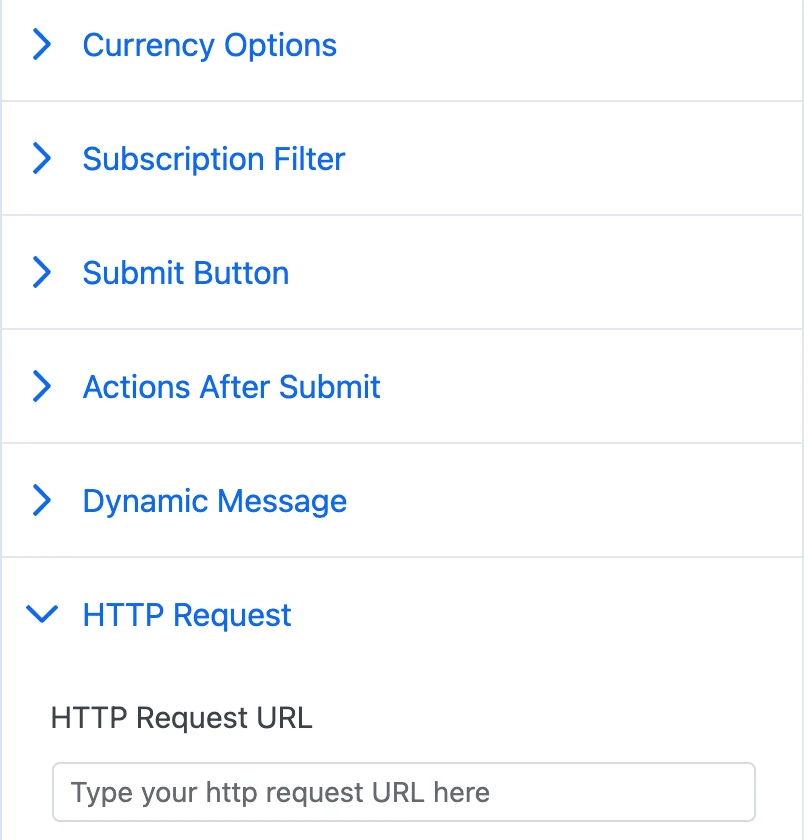
Use an HTTPS endpoint that can authenticate requests, validate fields, and map the payment into the destination system.
The receiver should use a stable payment identifier and treat duplicate deliveries as the same event.
Send only required business fields. Payment card details should never be placed in a custom webhook payload.
Start free on WordPress.org. Choose Pro when you want ACH Direct Debit or no Payment Page platform fee on Stripe payments.